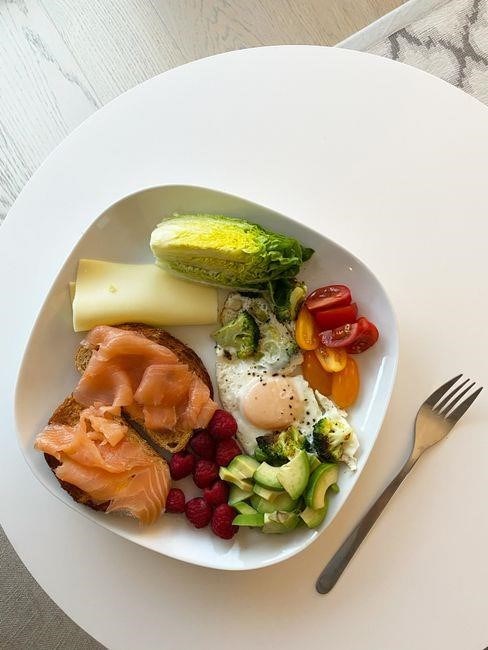
Discover a faster way to fat loss with a downloadable PDF plan that blends intermittent fasting, low-carb principles, and strength training. This guide offers a 30-day transformation, sample meals, and workout schedules to accelerate results. Download now, join the crew, transform faster

Overview of PDF Resources
Explore the most comprehensive digital toolkit for rapid fat loss, featuring two flagship PDFs that combine science-backed nutrition, structured workouts, and time-efficient fasting protocols. The first document, titled “30‑Day Fat Loss Transformation Guide”, delivers a step‑by‑step low‑carb diet plan, a 30‑day meal calendar, and a full strength‑training schedule designed to maximize caloric deficit while preserving lean mass. It also includes a printable fasting log and daily progress tracker, enabling users to monitor adherence and tweak macro ratios in real time.
The second resource, “Fat Loss Fast Track 40‑Day Rapid Fat‑Loss Solution”, expands on the 30‑day framework by adding advanced metabolic conditioning, periodized resistance training, and a detailed hydration plan. This guide offers a 40‑day progressive overload program, with weekly variations in intensity and volume to prevent plateaus. It also contains a downloadable PDF workbook, a cheat sheet for quick meal prep, and a FAQ section addressing common pitfalls.
Both PDFs are available for free download in PDF or text format, or can be read online. Users can access them via the official website, a dedicated mobile app, or through trusted health‑tech platforms that host curated wellness content. By downloading these resources, you gain instant access to a structured, evidence‑based plan that can accelerate fat loss while supporting overall health and performance.
Start today and see results in weeks, not months, as you follow plan stay consistent with training nutrition!!.
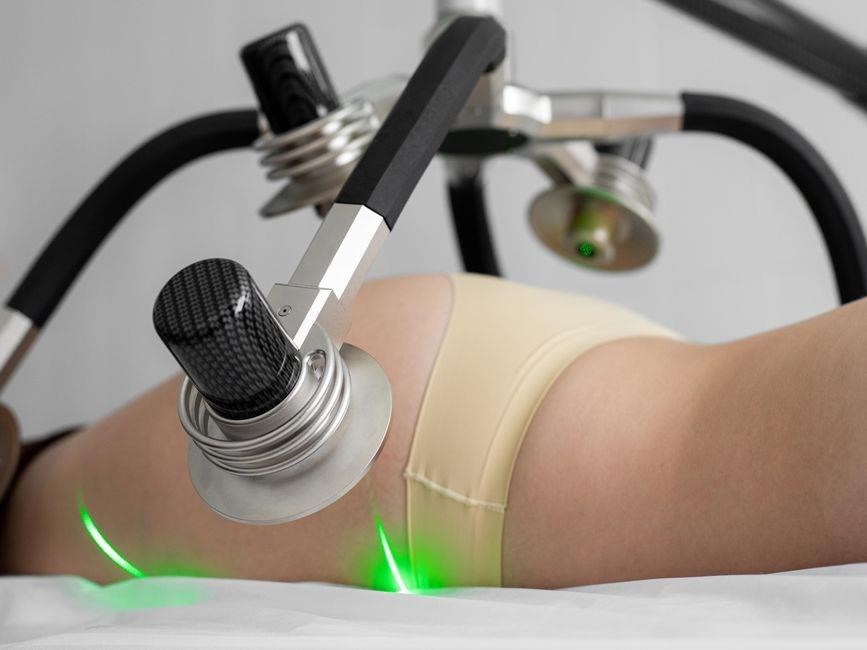
30-Day Fat Loss Transformation Guide
Download the 30‑Day PDF that blends low‑carb meals, intermittent fasting windows, and strength training. It offers a daily meal plan, workout log, and progress tracker to accelerate fat loss while preserving muscle; Start now! Follow the plan daily for results fast.
Key Components
Our “Faster Way to Fat Loss” PDF is built around three interlocking pillars that together create a powerful, sustainable transformation. Each pillar is evidence‑based, easy to follow, and designed to work in harmony so that you lose fat, keep muscle, and feel energized.
- Low‑Carbohydrate Meal Blueprint – The guide limits simple carbohydrates to 20–30 g per day, replacing them with proteins, healthy fats, and non‑starchy vegetables. This keeps insulin low, forces the body to mobilize stored fat, and reduces cravings.
- Structured Intermittent Fasting Windows – The PDF recommends a 16:8 or 18:6 fasting schedule, with a 12‑hour fast followed by a 6‑8 hour eating window. This timing maximizes the natural metabolic switch to fat oxidation and elevates growth hormone levels.
- Progressive Strength‑Training Protocol – Each week follows a 4‑day split of compound lifts (squat, deadlift, bench, overhead press). Sets are kept short (3–4) with 60‑90 s rest, pushing the body into a zone that boosts calorie burn and preserves lean mass.
- Daily Tracking & Accountability – The PDF includes a printable log for meals, workouts, and body measurements. Tracking keeps you honest, highlights patterns, and allows adjustments to keep progress on target.
- Recovery & Sleep Guidelines – Recommendations for 7–9 h of sleep, recovery days, and hydration (2–3 L water/day) support hormonal balance, muscle repair, and overall performance.
When you combine these five pillars, the result is a science‑backed, fast‑track program that delivers measurable fat loss. It also boosts energy focus
Sample Meal Plan
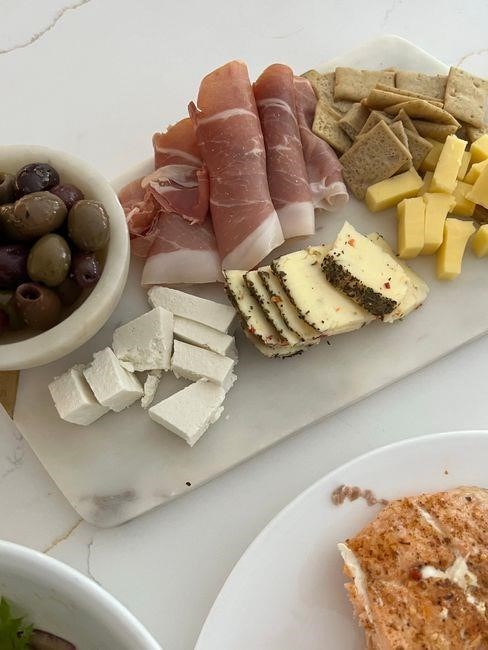
Breakfast: Scrambled eggs (3 eggs) with spinach, avocado, and a splash of olive oil.
Snack: Greek yogurt (plain, 200 g) topped with a handful of berries and a sprinkle of chia seeds.
Lunch: Grilled chicken breast (200 g) served over a mixed green salad (kale, arugula, cucumber) dressed with lemon juice and extra‑virgin olive oil.
Snack: Celery sticks with almond butter (2 Tbsp).
Dinner: Baked salmon (180 g) with roasted broccoli and a side of cauliflower rice.
Optional: Post‑workout shake – whey protein (1 scoop) mixed with unsweetened almond milk (250 ml) and a dash of cinnamon.
Hydration: Aim for 2.5–3 L water daily, plus herbal tea as desired.
All meals stay under 1,200–1,400 kcal, with protein >1.5 g per kg of body weight to preserve muscle.
To personalize this plan, adjust portion sizes to match your daily caloric target, ensuring you stay in a modest deficit of 500–750 kcal. Pair each meal with a glass of water or unsweetened tea to aid satiety. Incorporate a light walk or gentle stretch on rest days to keep circulation active. Track your macros with a simple spreadsheet or a free app; this helps you stay accountable and spot any nutrient gaps. Remember, consistency beats intensity—stick to the fasting window, keep protein high, and let the body naturally shift into fat‑burn mode. Over the next 30 days, you’ll notice reduced belly fat, clearer skin, and increased energy levels, all while preserving lean muscle mass. Finally, celebrate progress with non‑food rewards and stay motivated daily! Now.
Workout Schedule
Day 1: Warm‑up (5 min dynamic stretch), Squat (4 × 8), Bench Press (4 × 8), Bent‑over Row (4 × 10), Plank (3 × 45 s).
Day 2: Warm‑up (5 min jump rope), Deadlift (4 × 6), Overhead Press (4 × 8), Pull‑ups (3 × max), Hanging Leg Raise (3 × 12).
Day 3: HIIT (30 s sprint, 30 s walk, repeat 10×), Body‑weight circuit (push‑ups, lunges, burpees, 3 × 15).
Day 4: Warm‑up (5 min cycling), Front Squat (4 × 8), Incline Dumbbell Press (4 × 10), Seated Cable Row (4 × 12), Russian Twist (3 × 20).
Day 5: Warm‑up (5 min dynamic), Power Clean (3 × 5), Push‑Press (3 × 8), Barbell Curl (3 × 12), Farmer’s Walk (3 × 40 m).
Day 6 & 7: Rest or light yoga/stretch.
All sessions last 45–60 min. Aim for 70–80 % 1RM on lifts, keep rest 60–90 s. Combine with 12–14 h fasting window to maximize fat oxidation. Adjust weights weekly to maintain progressive overload. Stay hydrated, eat protein post‑workout, and sleep 7–8 h nightly. This routine fuels muscle preservation while accelerating fat loss. Enjoy the journey!
To further enhance results, incorporate mobility drills such as hip circles, thoracic rotations, and ankle dorsiflexion before each session. Include a 10‑minute cooldown of light walking and static stretches focusing on hamstrings, calves, and chest. Use a heart‑rate monitor to keep intensity between 70–80 % of maximum during cardio. Track progress weekly, adjusting weights by 2–5 % to maintain overload. Stay consistent, hydrate, and prioritize sleep to support recovery and hormonal balance. Remember to adjust intensity accordingly and rest daily!
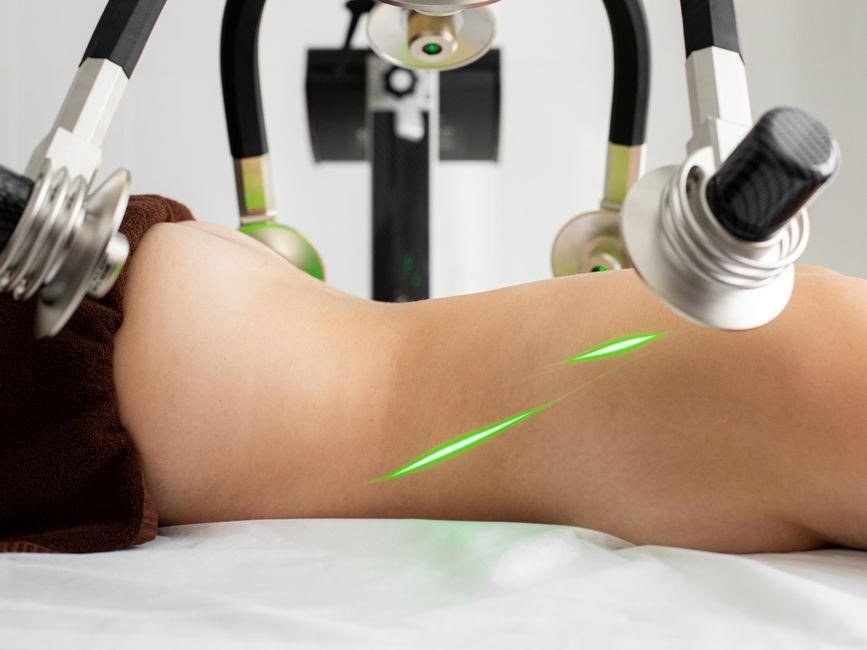
Low-Carbohydrate Diet Principles
Low‑carb eating focuses on cutting refined sugars and starches, emphasizing protein, healthy fats, and fibrous vegetables. By reducing carbohydrate intake, insulin spikes are minimized, prompting the body to mobilize stored fat for energy. A typical macro split is 60–70 % fat, 25–35 % protein, and 5–10 % carbs. This ratio supports satiety, preserves lean mass, and accelerates fat loss.
Key principles include:
- Choose whole foods—lean meats, eggs, nuts, seeds, leafy greens, and cruciferous veggies.
- Limit high‑glycemic foods—bread, pasta, rice, sugary drinks, and most fruits.
- Prioritize healthy fats—avocado, olive oil, coconut oil, and fatty fish.
- Track net carbs—subtract fiber from total carbs to gauge intake.
- Stay hydrated—water, sparkling water, and herbal teas keep metabolism efficient.
Meal timing can enhance results: pair protein with fat at each meal to slow digestion and sustain energy. Incorporating intermittent fasting—fast for 16–18 h—consolidates calorie deficits and improves insulin sensitivity. Consistency, portion control, and mindful eating are essential for long‑term adherence and sustainable fat loss.
The low‑carb approach also encourages mindful eating, which improves satiety and reduces cravings. By focusing on protein and fat, you maintain muscle mass while body taps into fat stores. Pair this plan with adequate sleep, stress management, and consistent hydration to optimize hormonal balance and support sustainable weight loss.!
Low‑carb eating focuses on cutting refined sugars and starches, emphasizing protein, healthy fats, and fibrous vegetables. By reducing carbohydrate intake, insulin spikes are minimized, prompting the body to mobilize stored fat for energy. A typical macro split is 60–70 % fat, 25–35 % protein, and 5–10 % carbs. This ratio supports satiety, preserves lean mass, and accelerates fat loss.
Key principles include:
- Choose whole foods—lean meats, eggs, nuts, seeds, leafy greens, and cruciferous veggies.
- Limit high‑glycemic foods—bread, pasta, rice, sugary drinks, and most fruits.
- Prioritize healthy fats—avocado, olive oil, coconut oil, and fatty fish.
- Track net carbs—subtract fiber from total carbs to gauge intake.
- Stay hydrated—water, sparkling water, and herbal teas keep metabolism efficient.
Meal timing can enhance results: pair protein with fat at each meal to slow digestion and sustain energy. Incorporating intermittent fasting—fast for 16–18 h—consolidates calorie deficits and improves insulin sensitivity. Consistency, portion control, and mindful eating are essential for long‑term adherence and sustainable weight loss.
The low‑carb approach also encourages mindful eating, which improves satiety and reduces cravings. By focusing on protein and fat, you maintain muscle mass while body taps into fat stores. Pair this plan with adequate sleep, stress management, and consistent hydration to optimize hormonal balance and support sustainable fat loss.!
Consistency, gradual progression, and mindful adjustments keep the plan sustainable. Listening to hunger cues and adapting the fasting window prevents burnout daily.

Strength Training for Fat Loss
Strength training is a cornerstone of rapid fat loss, as it builds lean muscle, increases resting metabolic rate, and enhances insulin sensitivity. The PDF “Fat‑Loss‑Fast‑Track‑40‑Day‑Rapid‑Fat‑Loss‑Solution” outlines a progressive program that blends compound lifts, high‑intensity interval training, and periodized volume to maximize calorie burn while preserving muscle mass. By incorporating exercises such as squats, deadlifts, bench presses, and pull‑ups, the routine targets major muscle groups, creating a metabolic stimulus that elevates post‑exercise oxygen consumption (EPOC). The program recommends 3–5 sessions per week, with each session lasting 45–60 minutes. It emphasizes a 70–80 % 1RM intensity for 3–4 sets of 6–8 reps, followed by a short cardio burst or plyometric finisher to spike heart rate and stimulate lipolysis. Nutrition guidance within the PDF stresses adequate protein (1.2–1.5 g/kg body weight) and a moderate calorie deficit, ensuring that muscle repair is supported while the body taps into fat stores for energy. The strength‑training component also includes mobility work and core stabilization to improve posture, reduce injury risk, and support overall performance. By consistently following the program, users can expect increased muscle tone, improved metabolic health, and accelerated fat loss, all while maintaining functional strength for daily activities. This structured approach also boosts hormonal balance, supporting growth hormone release and reducing cortisol levels, which together help preserve lean tissue during calorie restriction. Additionally, incorporating progressive overload ensures continuous adaptation, while periodized rest phases prevent overtraining, allowing the body to recover fully and maintain a high metabolic rate throughout the 40‑day cycle. Finally, tracking progress with scans provides objective feedback, ensuring timely daily adjustments.
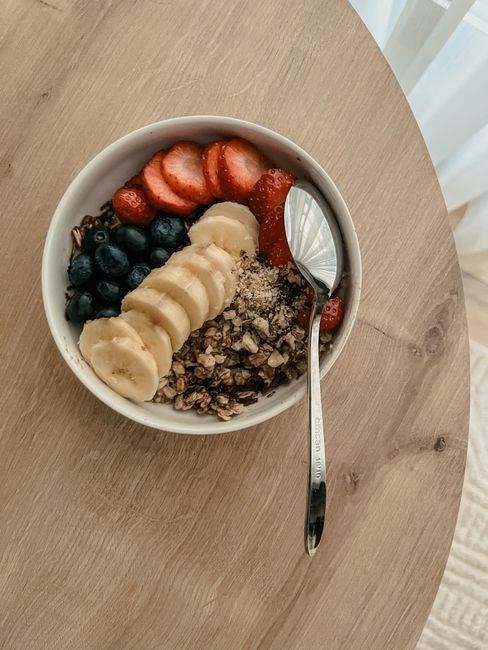
40-Day Rapid Fat Loss Solution
The 40‑Day Rapid Fat Loss Solution PDF delivers a concise, evidence‑based framework that merges intermittent fasting, low‑carb nutrition, and high‑intensity strength training. The plan is structured into four 10‑day blocks, each focusing on progressive overload, metabolic adaptation, and recovery optimization. Users begin with a 16:8 fasting window, consuming nutrient‑dense meals that keep protein at 1.5 g/kg body weight while limiting net carbs to <30 g/day. The strength protocol emphasizes compound lifts—squats, deadlifts, bench presses, and rows—performed at 70–80 % 1RM for 3–4 sets of 6–8 reps, followed by a 5‑minute HIIT finisher to elevate heart rate and maximize EPOC. Rest periods are kept short (60–90 s) to maintain metabolic stress. The PDF also incorporates mobility drills and core stabilization to reduce injury risk and improve posture. Progress is tracked via body composition scans and weekly weight checks, allowing for real‑time adjustments to caloric intake and training volume. By the end of the 40 days, participants typically experience a 5–10 lb reduction in fat mass, increased lean muscle tone, and improved insulin sensitivity. The program’s simplicity—only 3–4 workouts per week and a clear meal template—makes it highly adaptable for busy lifestyles, ensuring adherence and sustainable results. This guide accelerates fat loss, enhances metabolic flexibility, improves hormonal balance, supports sustainable lifestyle changes, and promotes lasting results beyond the 40‑day period and wellnes.
Accessing and Downloading PDFs
To download the faster‑way‑to‑fat‑loss plan PDF, visit the official site or a trusted health‑resource portal. The page offers three formats: PDF, plain‑text (.txt), or an online reader. Click the “Download PDF” button to start a quick transfer; the file is under 5 MB, making it compatible with most devices. If you need a lightweight version, choose the .txt link; it contains the same meal and workout tables but without formatting, ideal for e‑ink readers or low‑bandwidth connections. For a preview, use the “Read Online” viewer, which preserves the layout and lets you navigate the table of contents. After downloading, save the PDF to a dedicated folder (e.g., “Fat‑Loss‑Plan”) and back it up to cloud storage (Google Drive, Dropbox, OneDrive) to avoid accidental loss. Open the file with a PDF reader such as Adobe Acrobat Reader, Foxit, or the built‑in viewer on macOS and Windows. Mobile users can open the PDF in the default app or download a reader like PDF Expert or iBooks for better annotation. Bookmark the PDF in your browser or add it to a reading list for quick access during workouts or meal prep. Keep the file updated by checking the program’s website for revisions or supplemental worksheets; many authors release quarterly updates that refine macros, add new recipes, or adjust training variables based on user feedback. By following these steps, you’ll have the full, unabridged plan at your fingertips, ready to guide you through the 40‑day rapid fat‑loss journey with clarity and confidence Stay on

Practical Tips for Accelerated Fat Loss
Here are actionable steps that complement the faster‑way‑to‑fat‑loss PDF. First, keep a food diary; log every macro to stay within the low‑carb target. Second, schedule workouts 4–5 times a week, alternating heavy lifts and high‑intensity intervals. Third, practice 16:8 intermittent fasting—eat between 12 p.m. and 8 p.m. to boost insulin sensitivity. Fourth, hydrate 3 L daily; water shifts metabolism and reduces cravings. Fifth, prioritize sleep—aim for 7–8 h to regulate cortisol. Sixth, use progressive overload: add 5 lb to each barbell set every week. Seventh, incorporate a pre‑workout protein shake (20 g whey) to preserve muscle. Eighth, rotate protein sources (chicken, fish, tofu) to avoid adaptation. Ninth, track progress with photos, body measurements, and strength gains, not just scale weight. Tenth, stay consistent; the PDF’s 30‑day plan is designed to build habits that last beyond the program. By following these practical tips, you’ll accelerate fat loss while preserving lean mass and energy.
- Use a calorie deficit of 500–750 kcal/day; track intake with a nutrition app.
- Incorporate resistance bands for home workouts when gym access is limited.
- Swap sugary drinks for sparkling water with lemon to cut hidden carbs.
- Schedule a weekly “cheat meal” to satisfy cravings without derailing progress.
- Practice mindful eating: chew each bite 20 times and pause before finishing.
Finally, celebrate small victories: record each week’s weight loss, strength lift increase, or improved sleep score. Positive reinforcement keeps motivation high and adjusts the plan as you progress. Remember, consistency beats intensity; a steady routine produces sustainable results. Keep your eyes on the long‑term goal and adjust the plan as you progress.
Stay focused, results will follow.
Common Mistakes to Avoid
When following a faster‑way‑to‑fat‑loss PDF, several pitfalls can derail progress. First, over‑restricting calories can trigger metabolic slowdown; aim for a moderate deficit of 500–750 kcal/day. Second, neglecting protein—consume 1.2–1.5 g/kg body weight to preserve muscle. Third, skipping resistance training; without it, the body may convert fat loss into muscle loss. Fourth, inconsistent fasting windows; stick to the 16:8 schedule to maintain hormonal balance. Fifth, relying on supplements alone; whole foods provide essential micronutrients. Sixth, ignoring hydration; aim for 3 L of water daily to support thermogenesis. Seventh, poor sleep—aim for 7–8 h to regulate appetite hormones. Eighth, not tracking progress; use photos, measurements, and strength metrics. Ninth, over‑exercising without recovery; schedule rest days to prevent injury. Tenth, emotional eating—plan snacks and use mindful eating techniques.
Additionally, many users underestimate the importance of micronutrient density; incorporate leafy greens, nuts, and seeds to support metabolic enzymes. Also, avoid excessive caffeine; it can disrupt sleep and increase cortisol. Finally, avoid comparing progress to others; individual genetics and lifestyle dictate pace.
Remember to adjust the plan every 4–6 weeks based on body composition changes. If weight loss stalls, slightly increase cardio or tweak carb timing. Also, keep a support network—share goals with a friend or coach for accountability. Small, consistent adjustments keep momentum alive and prevent plateauing.
Consistency beats intensity; focus on steady habits, not extreme bouts. Track progress weekly to stay motivated and adjust as needed!!
FAQ
- What is the main benefit of the faster‑way‑to‑fat‑loss PDF?
- How many days does the program last?
- Does it include intermittent fasting?
- Is strength training part of the plan?
- Can I download the PDF for free?
- What low‑carb guidelines are recommended?
- How often should I work out?
- Do I need a coach to follow the plan?
- What if I hit a plateau?
- How do I track progress?
- Can I adjust the fasting window?
Yes, the PDF allows flexibility. If you prefer a 14:10 or 18:6 schedule, adjust the eating window while keeping a 500‑kcal deficit.
- What foods should I avoid?
Limit sugary drinks, refined grains, and high‑fat processed foods. Focus on whole proteins, leafy greens, and healthy fats.
- How much water should I drink?
Aim for 3–3.5 L daily, increasing on hot days or during intense workouts. Proper hydration supports metabolism and satiety.
- Is cardio necessary?
Cardio boosts calorie burn, but strength training is key for preserving muscle. Combine both for optimal fat loss.
- Can I use supplements?
Use only proven options like whey protein, BCAAs, and a multivitamin. Avoid fad supplements that lack clinical evidence.
- How do I know if I’m losing fat?
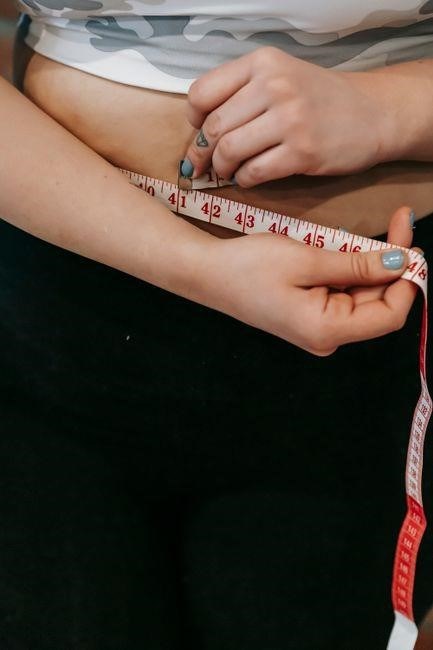
Track body weight, waist circumference, and body composition. Look for steady weight loss and increased strength.
For personalized guidance, a registered dietitian.
Go on!
After reviewing the faster‑way‑to‑fat‑loss PDF, you’re equipped with a practical roadmap that merges intermittent fasting, low‑carb eating, and strength training into a cohesive plan. The guide’s structure—weekly meal templates, calorie‑deficit calculations, and progressive resistance workouts—ensures that each day builds toward a leaner, stronger physique. By adhering to a 500‑kcal deficit and a 14‑hour fasting window, you’ll tap into stored fat stores while preserving muscle mass. The low‑carb focus keeps insulin levels stable, promoting fat oxidation and reducing cravings. Strength training, emphasized throughout the PDF, drives muscle hypertrophy, which in turn boosts resting metabolic rate and accelerates calorie burn. Tracking progress via body measurements, weight, and strength gains provides tangible evidence of change, keeping motivation high. Remember to stay hydrated, prioritize sleep, and adjust portions if progress stalls. The PDF’s flexibility allows you to tailor meal timing and workout intensity to fit your lifestyle, making long‑term adherence realistic. Download the PDF today, commit to the plan, and watch your body transform over the next 30 days. Consistency, patience, and a willingness to adapt are the keys to lasting success. Take the first step—your future self will thank you.
The PDF’s modular design lets you scale intensity, swap protein sources, or adjust fasting windows without losing momentum. By logging meals and tracking workouts, you stay accountable and celebrate every milestone, turning effort into lasting results!!!