
Erich Fromm’s “The Art of Loving” PDF: A Comprehensive Overview
Finding legitimate PDF versions of Erich Fromm’s seminal work, “The Art of Loving,” requires careful navigation, considering copyright and ethical downloading practices.

Numerous online platforms offer access, including options for Epub, FB2, and direct online reading experiences, catering to diverse reader preferences and accessibility needs.
However, awareness of copyright restrictions is crucial when seeking to download or distribute the PDF, ensuring compliance with legal standards and respecting the author’s rights.
Erich Fromm’s “The Art of Loving” is a profound exploration of love, challenging conventional notions and presenting it not as a passive emotion, but as an active art requiring knowledge and effort. Published in 1956, the book quickly became a cornerstone of psychological and philosophical discourse, continuing to resonate with readers today;
Fromm delves into the cultural and societal factors that hinder our ability to truly love, particularly the commercialization of affection and the prevalence of narcissistic tendencies. He argues that genuine love necessitates overcoming these obstacles through self-awareness, discipline, and a commitment to personal growth.
The enduring appeal of “The Art of Loving” lies in its practical wisdom and its emphasis on the importance of maturity and objectivity in fostering meaningful connections. The book’s availability in various formats, including PDF, Epub, and FB2, ensures its accessibility to a wide audience seeking a deeper understanding of love’s complexities.
It remains a vital resource for those navigating relationships and striving for authentic emotional fulfillment.
Historical Context of “The Art of Loving”
Published in 1956, “The Art of Loving” emerged during a period of significant societal shifts following World War II. The post-war era witnessed a growing sense of alienation and a questioning of traditional values, prompting a search for meaning and authentic connection. Fromm’s work directly addressed this cultural climate, offering a critical perspective on the prevailing views of love.
The rise of consumerism and mass media contributed to the commercialization of affection, a phenomenon Fromm keenly observed and critiqued. Simultaneously, psychoanalytic thought, particularly Freudian theory, heavily influenced the understanding of human motivation, which Fromm built upon and expanded.
The availability of “The Art of Loving” in accessible formats like PDF, alongside Epub and FB2, reflects its continued relevance in contemporary discussions about relationships and societal values. Understanding its historical context illuminates the book’s enduring power and its challenge to conventional norms.
It provided a counter-narrative to superficiality.
Erich Fromm’s Background and Influences
Erich Fromm, born in 1900 in Frankfurt, Germany, was a prominent psychoanalyst, social philosopher, and humanistic psychologist. His early life, marked by witnessing the trauma of World War I, profoundly shaped his intellectual pursuits and commitment to understanding human suffering.
He trained in psychoanalysis but diverged from orthodox Freudian thought, integrating Marxist theory and sociological insights into his work. This unique blend informed his analysis of societal structures and their impact on individual psychology, a key theme in “The Art of Loving.”
Fromm’s exploration of love wasn’t solely clinical; it was deeply rooted in his humanist philosophy, emphasizing the potential for human growth and the importance of overcoming alienation. The accessibility of his work in PDF format and other digital versions ensures his ideas continue to reach a broad audience, fostering critical reflection on love and society.
His work remains influential today.
Core Concepts of Love as Presented by Fromm
Fromm posits love as a skill requiring knowledge, effort, and discipline—an art, not a passive feeling. His PDF explores brotherly, motherly, erotic, self, and divine love.
Love as an Art, Not a Passive Sentiment
Erich Fromm fundamentally challenges the conventional notion of love as a mere fortunate accident or a passive emotional state in “The Art of Loving.” He argues, powerfully, that love is, in its truest form, an art – a practice demanding dedicated cultivation, discipline, and a profound understanding of its principles.
This isn’t to suggest love is a technique to be mastered for selfish gain, but rather a capacity that must be developed through conscious effort. Like any art – be it music, painting, or writing – love requires knowledge, concentration, patience, and a willingness to overcome inherent obstacles.
The PDF emphasizes that simply falling in love isn’t sufficient; it’s the sustained commitment to nurturing and deepening the connection that defines genuine love. Fromm critiques a society that often prioritizes being loved over the active practice of loving, leading to superficial relationships and emotional immaturity. True love, according to Fromm, is an expression of one’s power and a commitment to the growth of both oneself and the beloved.
The Different Forms of Love
Within “The Art of Loving,” Erich Fromm meticulously dissects the multifaceted nature of love, identifying distinct forms each with unique characteristics and developmental stages. The PDF details these as brotherly love – the foundation of human connection based on shared responsibility and respect; motherly love, unconditional and nurturing; and erotic love, a desire for complete fusion with another person.
Fromm doesn’t present these as mutually exclusive categories, but rather as interwoven aspects of a complete loving experience. He also explores self-love, not as narcissism, but as a prerequisite for loving others authentically, and love of God, representing a striving for ultimate spiritual connection.
Understanding these different forms, as outlined in the book, is crucial for developing a mature capacity to love. The PDF emphasizes that a balanced and fulfilling life necessitates experiencing and integrating all these dimensions of love, moving beyond superficial attachments towards genuine, profound relationships.

Brotherly Love

As detailed in Erich Fromm’s “The Art of Loving” PDF, brotherly love represents the most fundamental type of affection, extending to all human beings. It’s characterized by a sense of responsibility, care, respect, and understanding for another person’s existence, irrespective of any personal qualities.
This isn’t merely a feeling, but a conscious choice to affirm the other’s life and growth. Fromm contrasts it with erotic love, which focuses on exclusivity, highlighting brotherly love’s inclusivity. It forms the basis for genuine community and social justice, fostering a sense of shared humanity.
The PDF emphasizes that brotherly love isn’t dependent on reciprocal feelings; it’s an active practice of valuing human dignity. Cultivating this form of love, Fromm argues, is essential for overcoming alienation and building a more compassionate world, laying the groundwork for all other forms of loving connection.
Motherly Love
Erich Fromm, within “The Art of Loving” PDF, describes motherly love as unconditional, characterized by care, responsibility, and affirmation. It’s fundamentally different from other forms, rooted in the mother’s desire for the child’s growth and well-being, not her own satisfaction.
The PDF highlights that genuine motherly love doesn’t seek to possess or control, but to nurture independence. While often idealized, Fromm cautions against a possessive “mother complex,” which hinders the child’s development. True motherly love allows for separation and encourages self-reliance.
He emphasizes that while biologically rooted, the essence of motherly love – unconditional care – can be extended beyond the maternal role. It serves as a foundational experience shaping our capacity for love and trust, influencing our future relationships and our connection to humanity.
Erotic Love
According to Erich Fromm’s “The Art of Loving” PDF, erotic love is often mistaken for mere passion or physical attraction. However, Fromm argues it’s a desire for complete fusion, union with another person – a longing to overcome the sense of separateness.
The PDF clarifies that true erotic love isn’t about conquering or possessing, but about mutual respect, care, and responsibility. It’s a commitment to understanding and nurturing the other person’s unique individuality. Superficial attraction fades, but genuine erotic love deepens with time.
Fromm cautions against confusing erotic desire with infatuation or the need to alleviate loneliness. He stresses that a capacity for mature love, including self-love, is essential for experiencing fulfilling erotic connection, as detailed within the PDF’s insightful analysis.
Self-Love
As detailed in Erich Fromm’s “The Art of Loving” PDF, self-love isn’t narcissism or vanity, but a fundamental prerequisite for the capacity to love others genuinely. It’s about respecting and affirming one’s own being, recognizing inherent worth and dignity.
The PDF emphasizes that without self-love, individuals often seek validation externally, leading to dependence and unhealthy relationships. True self-love involves accepting both strengths and weaknesses, fostering personal growth, and cultivating a sense of inner security.
Fromm argues that self-love allows individuals to approach relationships from a position of wholeness, rather than neediness. It’s the foundation for mature love, enabling genuine connection and reciprocal care, as thoroughly explored within the PDF’s comprehensive framework.
Love of God
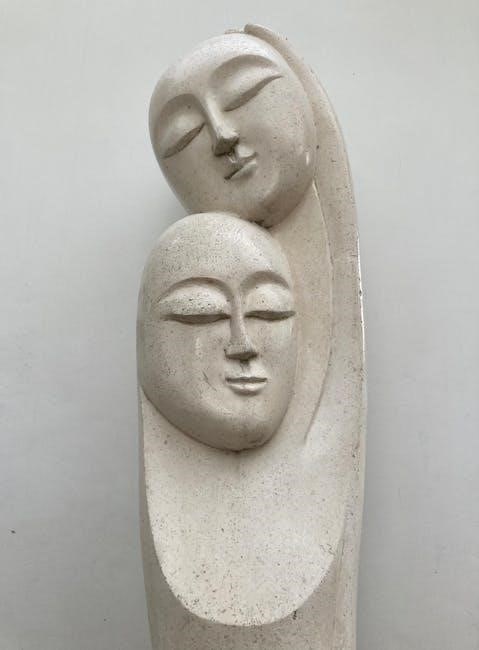
Within Erich Fromm’s “The Art of Loving” PDF, the concept of loving God is explored not as blind faith or submission, but as a manifestation of humanity’s deepest longing for connection and wholeness. Fromm analyzes how historical forms of religious love often reflect societal structures and individual psychological needs.
The PDF distinguishes between mature and immature forms of loving God, arguing that true devotion arises from a developed capacity for love in all its forms – brotherly, motherly, erotic, and self-love. It’s a striving for union with the divine, rooted in personal growth and ethical responsibility.
Fromm suggests that the search for God represents a desire to overcome separation and achieve ultimate belonging, a theme consistently present throughout the PDF’s exploration of love’s multifaceted nature and its profound impact on the human experience.
The Importance of Maturity for Loving
As detailed within Erich Fromm’s “The Art of Loving” PDF, genuine love isn’t a passive feeling but an active art requiring significant psychological maturity. The PDF emphasizes that immature individuals often seek love to alleviate their own insecurities, rather than offering genuine care and connection.
Fromm argues that maturity involves overcoming narcissistic tendencies, developing objectivity, and cultivating reason and humility. These qualities are essential for moving beyond possessiveness and dependency in relationships, allowing for authentic reciprocity and growth.
The PDF highlights that the capacity to love is directly linked to one’s ability to transcend self-centeredness and embrace the other person’s individuality. True love, according to Fromm, demands discipline, concentration, patience, and a willingness to confront one’s own limitations.

Understanding the Obstacles to Loving
The “Art of Loving” PDF reveals modern society’s commercialization of love hinders genuine connection, while narcissism and vulnerability fears obstruct the development of mature, reciprocal relationships.

The Commercialization of Love in Modern Society
Fromm’s “The Art of Loving” PDF critically examines how modern society has transformed love into a commodity, a product to be bought and sold rather than a genuine expression of care and connection. This commercialization, as highlighted within the text, manifests in various ways, from the romanticized portrayals in media to the emphasis on physical attraction and superficial qualities.
The book argues that this commodification leads to a distorted understanding of love, where individuals seek to be loved rather than genuinely loving others. This creates a passive expectation, a belief that love is something one deserves simply by possessing certain attributes, rather than an active practice requiring effort, discipline, and humility.
Furthermore, the PDF details how this market-driven approach fosters insecurity and a constant need for validation, as individuals measure their worth based on their perceived desirability. Fromm suggests this ultimately inhibits the development of true intimacy and genuine connection, replacing it with a superficial pursuit of fleeting gratification.
The Role of Narcissism in Inhibiting Love
Erich Fromm’s “The Art of Loving” PDF profoundly explores how narcissism acts as a significant barrier to genuine love, detailing how a preoccupation with oneself prevents true connection with others. The book posits that individuals consumed by narcissistic tendencies are incapable of experiencing the selfless concern and respect essential for authentic loving relationships.
Fromm argues that narcissism fosters a fundamental inability to move beyond one’s own needs and desires, leading to exploitative and manipulative behaviors disguised as affection. The PDF emphasizes that such individuals seek not to love, but to be loved, viewing others merely as extensions of themselves or as tools for self-gratification.
Consequently, genuine reciprocity and mutual growth are impossible within these dynamics. The text suggests overcoming narcissism requires self-awareness, humility, and a conscious effort to cultivate empathy and genuine concern for the well-being of others, paving the way for authentic loving connections.
The Fear of Vulnerability and Intimacy
Erich Fromm’s “The Art of Loving” PDF delves into the deeply rooted fear of vulnerability and intimacy as a core obstacle to developing the capacity for love. The text explains that many individuals erect psychological defenses to shield themselves from the potential pain of rejection, disappointment, or loss inherent in close relationships.
Fromm argues that this fear stems from a sense of insecurity and a lack of faith in one’s own worthiness of love. The PDF highlights how individuals may sabotage potential connections or engage in superficial interactions to avoid the risk of genuine emotional exposure. This avoidance, however, ultimately leads to isolation and a diminished capacity for joy.
Overcoming this fear, according to Fromm, requires courage, self-awareness, and a willingness to embrace imperfection – both in oneself and in others. Cultivating trust and practicing authentic self-expression are presented as crucial steps towards fostering genuine intimacy and experiencing the transformative power of love.

Practical Applications of Fromm’s Theories
Applying Fromm’s insights from “The Art of Loving” PDF involves cultivating discipline, concentration, humility, and objectivity in relationships, fostering genuine connection and growth.
Developing the Capacity to Love
Fromm posits that loving isn’t a passive feeling but an active art requiring dedicated practice and cultivation, as explored within the “The Art of Loving” PDF. This development necessitates overcoming narcissistic tendencies and embracing vulnerability, allowing for genuine connection.
Central to this process is understanding that love demands concentration, discipline, and patience – qualities often overlooked in modern, instant-gratification culture. It’s about moving beyond superficial attraction and cultivating a deep appreciation for the other person’s unique being.
Furthermore, Fromm emphasizes the importance of self-love as a prerequisite for loving others authentically. Without a solid sense of self, individuals may seek validation through possessiveness or dependence, hindering true intimacy.
The PDF highlights that developing the capacity to love is a lifelong journey, demanding continuous self-reflection and a willingness to confront one’s own limitations and fears. It’s a conscious choice to prioritize growth and connection over fleeting pleasures.
Cultivating Discipline and Concentration
Erich Fromm’s “The Art of Loving” PDF underscores that genuine love isn’t simply a feeling, but a practice demanding significant discipline and focused concentration. He argues that modern society often undervalues these qualities, prioritizing impulsive desire over sustained commitment.
Developing this capacity requires actively training the mind to overcome distractions and cultivate a deep attentiveness to the beloved. This isn’t about obsessive control, but rather a mindful presence that allows for genuine understanding and empathy.
Fromm suggests that concentration isn’t merely a mental exercise, but a fundamental aspect of character development. It fosters responsibility, patience, and a willingness to invest energy in nurturing the relationship.
The PDF emphasizes that discipline, in this context, isn’t restrictive, but liberating. It allows individuals to transcend superficiality and engage in a more profound and meaningful connection, fostering lasting love and mutual growth.
The Importance of Humility and Objectivity
Erich Fromm’s “The Art of Loving” PDF highlights humility and objectivity as crucial components of mature love, challenging the prevalent narcissistic tendencies in modern relationships. He posits that genuine connection requires shedding illusions about oneself and perceiving the beloved as they truly are.

Humility involves recognizing one’s limitations and imperfections, fostering a willingness to learn and grow alongside a partner. Objectivity demands seeing beyond projections and fantasies, embracing the other person’s individuality;
The PDF argues that love isn’t about possessing or controlling another, but about fostering their independent growth and well-being. This necessitates a detached concern, allowing the beloved to flourish without imposing one’s own desires.
Fromm emphasizes that cultivating these qualities requires self-awareness and a commitment to honest self-reflection, ultimately leading to a more authentic and fulfilling experience of love.

“The Art of Loving” PDF: Access and Availability
Numerous online sources provide access to the “Art of Loving” PDF, including options in Epub and FB2 formats, alongside direct online reading platforms.
However, ethical considerations and copyright laws must guide your search for legitimate versions of this influential work.
Finding Legitimate PDF Versions Online
Locating a trustworthy PDF of Erich Fromm’s “The Art of Loving” necessitates a discerning approach. Several online repositories and digital libraries offer the book, but verifying their legitimacy is paramount. Websites associated with reputable publishers or academic institutions are generally safe bets. Platforms like Google Books sometimes provide previews or full access, depending on copyright permissions.
Beware of unofficial websites promising free downloads, as these often harbor malware or violate copyright laws. Checking for secure connection indicators (HTTPS) and reading user reviews can offer clues about a site’s reliability. Additionally, exploring online bookstores like Amazon or Barnes & Noble may lead to legally purchased PDF versions. Remember that supporting authors and publishers through legitimate channels ensures continued access to valuable works like “The Art of Loving.”
Consider utilizing library databases; many public and university libraries offer digital lending services, providing access to PDFs for a limited time; Always prioritize ethical and legal avenues when seeking to obtain this classic text.
Copyright Considerations and Ethical Downloading
Understanding copyright law is crucial when accessing “The Art of Loving” in PDF format. Originally copyrighted in 1956 by Erich Fromm, the book remains protected by copyright, even with subsequent editions. Downloading a PDF from unauthorized sources constitutes copyright infringement, carrying potential legal consequences.
Ethical downloading involves acquiring the PDF through legitimate channels – purchasing it from authorized retailers, borrowing it from a library, or accessing it through subscription services with proper licensing. Supporting the author and publisher financially ensures the continued availability of such insightful works.
Respecting intellectual property rights fosters a healthy ecosystem for authors and encourages the creation of valuable content. Avoid sharing illegally obtained PDFs, as this perpetuates copyright violations. Prioritize legal and ethical access to “The Art of Loving” to demonstrate respect for the author’s creative efforts and the principles of copyright law.
Alternative Formats: Epub, FB2, and Online Reading
Beyond the PDF format, Erich Fromm’s “The Art of Loving” is widely available in alternative digital formats like Epub and FB2, catering to diverse e-reader preferences. Epub offers reflowable text, adapting to various screen sizes, while FB2 is popular for its simplicity and compatibility with numerous devices.
Online reading platforms provide another convenient option, allowing access to the book directly through a web browser without requiring downloads. These platforms often feature adjustable font sizes, bookmarking capabilities, and search functions, enhancing the reading experience.
Choosing the optimal format depends on individual needs and reading habits. Epub and FB2 are ideal for offline reading on dedicated e-readers, while online reading suits those who prefer instant access and cross-device synchronization. Exploring these alternatives expands accessibility to Fromm’s profound insights on love.
Criticisms and Contemporary Relevance
Despite enduring influence, Fromm’s work faces critiques regarding its idealistic view of love and potential cultural biases, yet remains remarkably relevant today.
Its exploration of love’s societal impact continues to resonate in our modern, commercialized world.
Common Critiques of Fromm’s Work
Several critiques consistently emerge when examining Erich Fromm’s “The Art of Loving.” Some scholars argue his perspective is overly idealistic, presenting a somewhat utopian vision of love that doesn’t fully account for the complexities and imperfections inherent in human relationships.
Others point to potential cultural biases within his framework, suggesting his ideas are rooted in a specific Western, psychoanalytic tradition and may not universally apply across diverse cultural contexts. The book’s emphasis on disciplined effort and “art” in loving can also be perceived as placing undue pressure or expectation on individuals.
Furthermore, some critics contend that Fromm’s analysis lacks empirical support, relying heavily on philosophical and theoretical reasoning rather than rigorous scientific research. Despite these criticisms, “The Art of Loving” continues to spark debate and remains a significant contribution to the understanding of human connection, prompting ongoing discussion about the nature of love in modern society.
The Enduring Influence of “The Art of Loving” Today
Despite being published in 1956, Erich Fromm’s “The Art of Loving” maintains remarkable relevance in contemporary society. Its exploration of love as a skill requiring knowledge, effort, and discipline resonates deeply amidst modern anxieties surrounding superficial connections and the commercialization of intimacy.
The book’s critique of consumer culture and its impact on genuine relationships continues to be particularly insightful, prompting reflection on the forces shaping our emotional lives. The accessibility of the work, including readily available PDF versions, ensures its continued reach to new generations seeking deeper understanding.
Fromm’s emphasis on self-love, responsibility, and respect within loving relationships provides a valuable counterpoint to prevalent narratives of romantic obsession and dependency. It remains a foundational text for those interested in psychology, philosophy, and the pursuit of meaningful human connection, inspiring ongoing dialogue and personal growth.