
Maintaining a manual transmission involves periodic fluid changes, often overlooked but crucial for longevity. Generally, intervals fall between 30,000 to 60,000 miles,
but severe conditions may necessitate more frequent servicing.
Why Manual Transmission Fluid Matters
Manual transmission fluid is the lifeblood of your gearbox, responsible for lubricating moving parts, reducing friction, and dissipating heat generated during operation. Unlike engine oil, transmission fluid doesn’t just clean; it directly impacts shift quality and component durability. Over time, this fluid degrades, losing its viscosity and ability to protect gears and synchronizers effectively.
Degradation leads to increased wear, potential for corrosion, and ultimately, costly repairs or even transmission failure. Maintaining proper fluid levels and quality ensures smooth gear changes, prevents grinding, and extends the lifespan of your manual transmission. Ignoring this vital maintenance aspect can significantly shorten the transmission’s operational life and diminish driving enjoyment.
The Importance of Regular Fluid Changes
Consistent fluid changes are paramount for a healthy manual transmission. Over time, the fluid becomes contaminated with metal particles from gear wear and tear, diminishing its lubricating properties. This contamination accelerates wear, leading to difficulty shifting and potentially catastrophic failure. Regular intervals, typically between 30,000 and 60,000 miles, ensure optimal performance.
Proactive maintenance prevents expensive repairs down the line. Neglecting fluid changes can result in grinding noises, slipping gears, and ultimately, a complete transmission overhaul. Following a scheduled maintenance plan, or even shortening intervals under severe driving conditions, safeguards your investment and maintains the vehicle’s reliability. Don’t underestimate the power of preventative care!
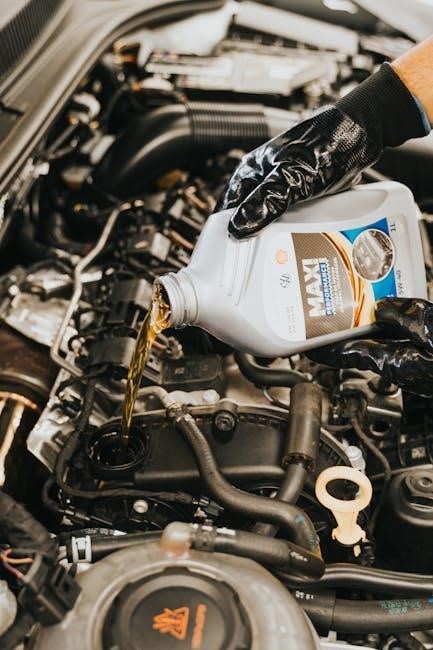
Recommended Oil Change Intervals
Typically, manual transmissions benefit from fluid changes every 30,000 to 60,000 miles. However, driving habits and vehicle specifics influence optimal timing.

General Guidelines: 30,000 — 60,000 Miles
As a general rule, most vehicle manufacturers suggest a manual transmission fluid change within the 30,000 to 60,000-mile range. This interval provides a balance between maintaining optimal lubrication and preventing premature wear on gears and synchronizers. However, it’s vital to remember this is a broad guideline.
Regular fluid changes within this range help remove metal particles and contaminants that accumulate over time, ensuring smooth shifting and extending the transmission’s lifespan. Ignoring these intervals can lead to increased friction, difficulty shifting, and ultimately, costly repairs. Consider 60,000 miles a maximum if no specific owner’s manual guidance exists.

Severe Driving Conditions and Shorter Intervals
Certain driving habits necessitate more frequent manual transmission fluid changes. “Severe” conditions include frequent towing, off-roading, aggressive driving, or consistent stop-and-go traffic. These activities generate increased heat and stress on the transmission, accelerating fluid degradation.
If you regularly subject your vehicle to these conditions, consider shortening the recommended interval to 30,000 miles or even less. Monitoring fluid condition is crucial; if it appears dark or contaminated, change it regardless of mileage. Proactive maintenance under severe conditions prevents costly damage and ensures reliable performance, safeguarding your investment in the long run.
Following the Owner’s Manual (If Available)
The most reliable guidance for manual transmission fluid change intervals resides within your vehicle’s owner’s manual. Manufacturers specify tailored recommendations based on the transmission’s design and intended use. However, many older manuals lack specific transmission fluid change intervals, a common oversight.
If your manual is silent on the matter, adopting a conservative approach is prudent. A 60,000-mile or 5-year interval, as suggested by experienced owners, provides a reasonable baseline. Regularly inspecting the fluid’s condition remains vital, even with a defined schedule. Prioritize the manufacturer’s advice when available, and supplement it with diligent monitoring.

Types of Manual Transmission Fluid
Selecting the correct fluid is vital; options include GL-4 and GL-5 gear oils, synthetic or conventional types, and vehicle-specific formulations for optimal performance.
GL-4 vs. GL-5 Gear Oil
Understanding the difference between GL-4 and GL-5 gear oil is paramount for proper manual transmission lubrication. GL-4 fluids, traditionally used in older transmissions, possess lower sulfur-phosphorus content, protecting brass and bronze synchronizers commonly found in these systems. However, they offer less extreme pressure (EP) protection.
GL-5 oils, conversely, contain higher EP additives, making them ideal for hypoid gears experiencing substantial loads – often found in differentials. Crucially, GL-5’s additives can corrode the brass synchronizers in some older transmissions. Therefore, always verify your vehicle’s requirements.
Using the incorrect fluid can lead to premature wear and shifting problems. Modern transmissions often specify GL-5, but older vehicles almost always require GL-4. Always consult your owner’s manual or a trusted mechanic to determine the appropriate gear oil for your specific vehicle.
Synthetic vs. Conventional Fluid
Choosing between synthetic and conventional manual transmission fluid involves considering performance and cost. Conventional fluids, derived from crude oil, are generally more affordable but offer limited temperature resistance and shorter service intervals. They may struggle in extreme heat or cold, potentially affecting shifting smoothness.
Synthetic fluids, engineered for superior performance, boast enhanced thermal stability, better viscosity control across a wider temperature range, and increased oxidation resistance. This translates to smoother shifting, reduced wear, and extended drain intervals – potentially exceeding 60,000 miles in some cases.
However, synthetic fluids come at a higher price point. While the initial investment is greater, the extended service life and improved protection can offset the cost over time. Always verify compatibility with your vehicle’s specifications before switching.
Vehicle-Specific Fluid Requirements
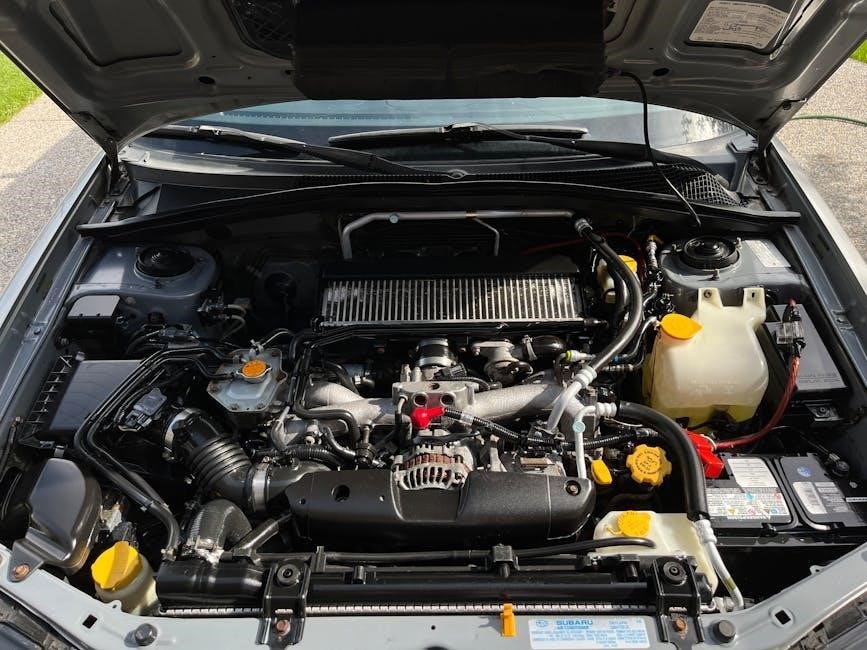
Ignoring manufacturer specifications regarding manual transmission fluid can lead to significant damage. Unlike a universal approach, different vehicles require specific fluid types – GL-4, GL-5, or even manufacturer-specific formulations. Using the incorrect fluid can cause corrosion, poor synchronization, and ultimately, transmission failure.
Consult your owner’s manual first and foremost. If the manual is unavailable or lacks detail, research your vehicle’s make, model, and year online or contact a dealership’s service department. They can provide the precise fluid specification required for optimal performance and longevity.
Pay close attention to viscosity and any specific additives recommended by the manufacturer. Using the correct fluid ensures proper lubrication, protects internal components, and maintains the transmission’s warranty.
Signs You Need an Oil Change
Difficulty shifting, grinding noises during gear changes, and visible fluid leaks are key indicators that your manual transmission fluid needs replacing immediately.
Difficulty Shifting Gears
Experiencing trouble getting into gear, particularly when the engine is cold, is a common symptom of degraded manual transmission fluid. As the fluid ages, it loses its lubricating properties, creating increased friction between the gears. This friction makes smooth shifting challenging, often requiring excessive force or resulting in missed shifts altogether. You might notice this issue across all gears or primarily in specific ones.
Hesitation or a ‘notchy’ feel during gear changes also points towards fluid deterioration. Ignoring this symptom can lead to more significant internal damage to the transmission, potentially requiring costly repairs. Regular fluid checks and timely changes can prevent these issues, ensuring effortless and reliable gear engagement.
Grinding Noises
Hearing a grinding sound, especially when shifting gears, is a serious indicator of potential transmission problems often linked to insufficient lubrication. Worn or contaminated fluid fails to adequately cushion the gear teeth during engagement, causing them to clash and produce a harsh grinding noise. This noise can be particularly noticeable when downshifting or attempting to engage a gear at higher speeds;
Ignoring grinding sounds can accelerate wear and tear on the gears, synchronizers, and other internal components. Prolonged operation with degraded fluid can lead to irreversible damage, ultimately resulting in transmission failure. Addressing this issue promptly with a fluid change, and potentially further inspection, is crucial to prevent extensive and expensive repairs.
Fluid Leaks
Discovering fluid leaks around the transmission is a clear sign that attention is needed. While minor seepage can sometimes occur, consistent or significant leaks indicate a problem, potentially stemming from worn seals or gaskets. Low fluid levels directly impact the transmission’s ability to lubricate and cool its internal components effectively.
Leaks can also be caused by damage to the transmission housing itself, or loose drain/fill plugs. Ignoring leaks leads to insufficient lubrication, increasing friction and heat, ultimately causing damage. Regularly inspecting for leaks, alongside adhering to recommended fluid change intervals (30,000-60,000 miles), is vital for preventing costly transmission repairs and ensuring smooth operation.

Tools and Materials Needed
Essential tools include wrenches, sockets, a drain pan, and a fluid pump or funnel. New manual transmission fluid, and potentially new drain/fill plugs, are also required.
Wrenches and Sockets
Selecting the correct wrenches and sockets is paramount for a successful manual transmission fluid change. The drain and fill plugs often require metric sizes, commonly ranging from 17mm to 24mm, though variations exist depending on the vehicle’s make and model. A socket set with various extensions and a ratchet wrench will provide the necessary accessibility, especially for plugs located in recessed areas.
Consider utilizing a breaker bar for stubborn plugs that may be tightly secured due to corrosion or over-tightening. Impact sockets, designed for use with impact wrenches, can also be helpful, but exercise caution to avoid rounding off the plug heads. Having both standard and deep-well sockets ensures compatibility with different plug depths. Always double-check the size before applying force to prevent damage.
Drain Pan
A sufficiently sized drain pan is absolutely essential for capturing the old manual transmission fluid during the oil change process. The capacity should be at least 6-8 quarts, as many transmissions hold between 2 to 4 quarts of fluid, but it’s better to err on the side of caution to prevent spills. Choose a pan constructed from durable plastic or metal, resistant to degradation from the harsh chemicals present in gear oil.
Look for a drain pan with a spout or pour-back feature, simplifying the disposal of the used fluid. A low profile design allows for easier positioning under the vehicle. Placing the pan strategically, considering the drain plug’s location, is crucial to avoid messes. Always dispose of the used fluid responsibly at a designated recycling center.
Fluid Pump or Funnel
Refilling the manual transmission with fresh fluid can be challenging due to the fill plug’s often awkward location. A fluid pump, specifically designed for automotive fluids, is highly recommended for a clean and efficient transfer. These pumps typically attach directly to the fluid container and allow you to pump the fluid into the transmission fill opening.
Alternatively, a long-necked funnel can be used, but it may require more patience and careful maneuvering. Ensure the funnel’s spout fits snugly into the fill opening to minimize spills. Regardless of the method chosen, take your time and monitor the fluid level closely, using a dipstick if equipped, to avoid overfilling or underfilling the transmission.
Step-by-Step Oil Change Procedure
Begin by locating drain and fill plugs, then drain the old fluid completely. Next, carefully refill with the correct fluid type, checking levels for optimal performance.
Locating the Drain and Fill Plugs
Identifying the drain and fill plugs is the initial step. Typically, the drain plug resides on the transmission’s lower section, often resembling a bolt. The fill plug, conversely, can be situated on the transmission’s side, and may require a different socket size. Consulting your vehicle’s repair manual is highly recommended for precise locations, as placements vary significantly between makes and models.
Before attempting removal, ensure the vehicle is securely supported with jack stands. Once located, carefully clean the surrounding areas of both plugs to prevent debris from entering the transmission during the fluid change process. Proper identification avoids damaging other components and ensures a smooth, efficient fluid exchange.
Draining the Old Fluid
With the drain plug located, position a drain pan beneath it to catch the exiting fluid. Using the appropriate wrench, carefully loosen and remove the drain plug – be prepared for a potentially messy process as the fluid may be under some pressure. Allow the transmission to drain completely; this can take a considerable amount of time, potentially 20-30 minutes, ensuring all contaminants are expelled.
Inspect the drained fluid for metal shavings, which can indicate internal transmission wear. Once fully drained, thoroughly clean the drain plug and consider replacing the crush washer to maintain a secure seal upon reinstallation. A complete drain is vital for optimal performance with the new fluid.
Refilling with New Fluid
After the drain plug is securely reinstalled with a new crush washer, locate the fill plug – often on the side of the transmission. Using a fluid pump or funnel, carefully begin adding the specified type and amount of manual transmission fluid, referencing your vehicle’s documentation for the correct quantity.
Check the fluid level periodically during the filling process, using a dipstick if equipped, or by observing the fluid level at the fill plug opening. Avoid overfilling, as this can cause pressure buildup and leaks. Once the correct level is reached, securely tighten the fill plug, completing the fluid change process.